
The Wickerlight Takes Readers Back to Mary Watson’s World of Irish Mythology
Bloomsbury
Note: This review contains spoilers for The Wren Hunt and reveals minor plot points for The Wickerlight.
In preparation for Mary Watson’s new novel, The Wickerlight, I read its predecessor, The Wren Hunt, over the summer. The book is lush with Irish lore and an ages-long feud between druid clans that could rival the likes of Romeo and Juliet. I enjoyed Watson’s writing, and it was fun to see how her passion for old Irish myths translated into a modern story that kept ancient magic at its core. While not my favorite book—the ending had me raging for at least a day—it was nice to shake up my reading schedule with something new.
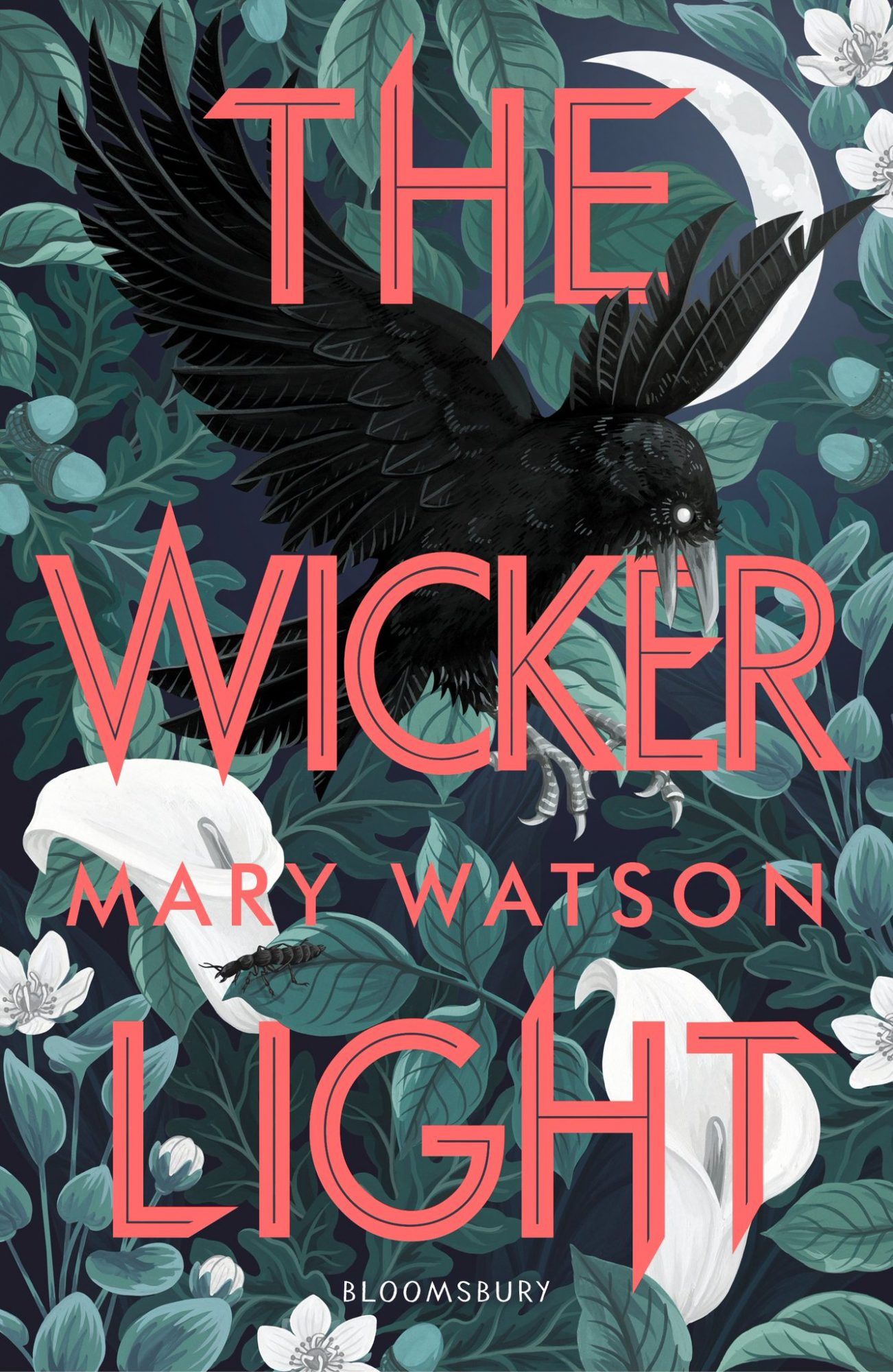
The Wickerlight picks up a few months after the ending of the first book. Zara, a local girl whose family is falling apart, is desperate for answers as to how her older sister, Laila, really died. With sparse clues that seemingly lead only to more questions, Zara finds herself teaming up with David, one of the antagonists from the first book. David, it turns out, has family issues of his own, specifically concerning his ambitious and bloodthirsty father. The war between judges and augurs is still brimming, and the race is on to find the Eye of Badb, a brooch that could bring about either peace or destruction, depending on who wields it.
I noticed that the first book was very one-sided in terms of how the judges were viewed, and I realized while reading this book that that was because all I knew about them was from Wren, the main character, who comes from an augur family. Watson explained in The Wren Hunt how augur magic works, and she goes into more detail about judge magic in The Wickerlight—while they’re a very strict and hostile society when it comes to punishments, their magic is simple but very powerful. David cuts a bit of Wren’s hair at the beginning of The Wren Hunt, and her family mistakenly tells her it’s a kill mark; in reality, David takes ordinary objects and assigns them each a word, and once he gathers enough of them, he can use them to cast a spell. Judges also have affinities to nature, a sort of guide that they can control. Most of David’s family is guided by the rook, a member of the crow family, while David’s guides are insects (to his dismay). Neither clan of druids is fully bad or fully good, but I appreciated Watson showing the judges in a slightly more positive light.
Going in, I wasn’t too sure how I would feel about David being one of the protagonists. In The Wren Hunt, he’s very hostile to Wren—which we later find out is because he knows she comes from an augur family—and comes close to killing her several times. He appears callous and uncaring, and there’s hardly any room to make him sympathetic. The Wickerlight reveals just how fragile and severe his upbringing has been: his older brother has disgraced their family, and their father is pushing David to become the War Scythe, the highest-ranking warrior among the judges. This certainly doesn’t excuse David’s awful behavior in the first book, but he does share a rare moment with Wren when he stands up for her and apologizes for what he’s done. It’s left unclear as to whether or not he’s forgiven, but the fact that he attempted to make amends is commendable and made me dislike him a little less.
Zara is a new face in the village of Kilshamble, dealing with an adulterous father on top of her sister’s mysterious death. For me, it was maddening at times to see Zara getting into situations she was clearly not prepared for and snooping into things she didn’t fully understand. Her interactions with Maeve Lawless and daughter Sibéal especially made me furious; The Wren Hunt had revealed they’ve been using Wren as a pawn in their plans to overtake the judges, and their augur magic is always used to pry and to trick. Zara coming to the conclusion that these two were bad news took much longer than I wanted, but she more than made up for her gullible moments with her bravery and her love for Laila. She really doesn’t stop until she discovers the truth, and that was admirable on her part.
Fans of the first book will be a bit disappointed to know Tarc and Wren are hardly featured in the sequel. They do make occasional appearances, but their presence is not as important to the plot as I would have hoped. I was also disappointed with the way Watson seemed to gloss over some events, an issue I had with The Wren Hunt as well. While The Wickerlight’s climax was definitely more satisfying for me, the fact remains that the pacing of both books is inconsistent, and there are scenes that were sorely lacking depth. There are still questions left unanswered and subplots that are forgotten, while other events are wrapped up much too quickly and feel unneeded. As a result, there are parts that I loved and parts that I didn’t care for, making for a disjointed reading experience.
Watson has definitely created something unique for the YA fantasy crowd. My favorite takeaway from these books is the lore the author draws on for inspiration; I also appreciated the glossary and pronunciation guides at the back of each book. I’m hoping that if she writes a third installment in this series, the pacing is better and the characters all get a chance to be fully involved in the story. These books have potential, and I’m hoping that Watson is able to showcase that better in the future.
The Wickerlight was released November 26, 2019.
Follow @TwinCitiesGeeks on Twitter or Like Twin Cities Geek on Facebook for more great stuff from Minnesota geeks in your feed!
About the Author

Hannah Testa
Hannah hails from Edina and is currently buried under a pile of unread books. Her hobbies include Funko POP! collecting, spending hours at a time at the library, and watching terrible Lifetime movies. She’s working on her first YA novel.


