
A Reintroduction to the Wild World of Card Collecting
Mick Haupt/Unsplash
Card fight!
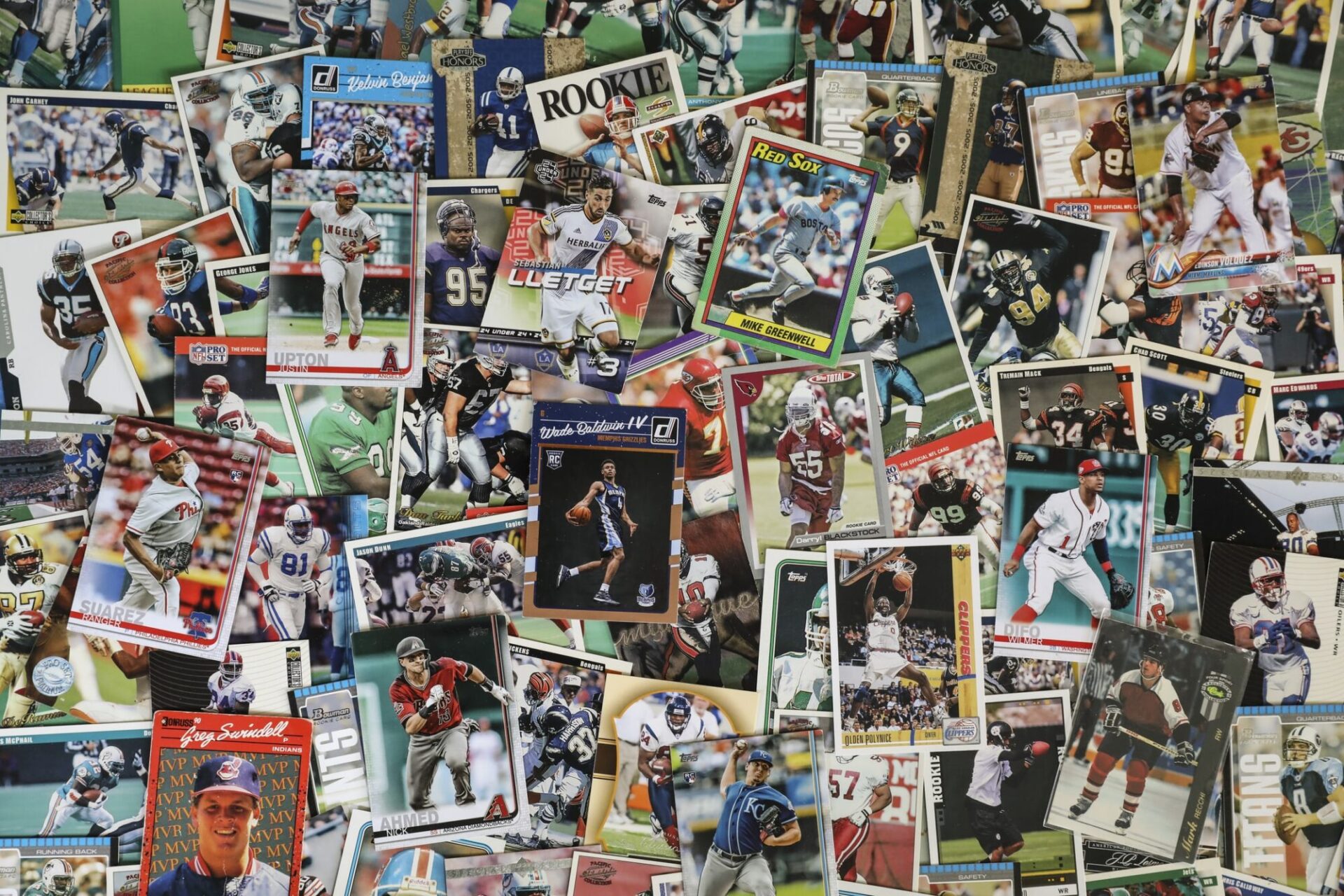
Back in May, Target pulled trading cards from its stores after a fight broke out over them at a store in Brookfield, Wisconsin. The trading card industry has been experiencing a surge like nothing it’s seen in years—the demand is so high that PSA, a prominent grading service, closed its doors due to a massive influx in card submissions. I used to collect Dragon Ball Z cards as a kid, and I still had some of the rarer cards stored around the house. To my surprise, I found that cards once valued at $20 to $40 were now worth nearly $1,000 each. With this realization of the rapid valuation of the cards, combined with some urging from a friend, I decided to dig deeper to understand the current scene.

My collection of old Dragon Ball Z rares from the early 2000s.
I started scouring eBay and Facebook Marketplace looking for deals and quickly found people selling their own old Dragon Ball Z collections for reasonable prices. I invested in these collections and sorted through thousands of cards, ultimately keeping some and selling the others—making a slight profit as I unloaded duplicates and rare cards that collectors were looking for online. After a few months of sorting and investing, I realized how closely this hobby resembled the stock market. The “buy low, sell high” mentality is very common in collectible cards, and many buyers tend to look at it almost like a stock investment. I can hold a certain card for a while and sell high, making a profit to reinvest in other cards or boxes of cards looking to find a “hit” (a valuable card contained within a hobby box that tends to have secondary market value).
A friend of mine who is heavy into sports cards and collecting also introduced me to the concept of breaks, a way to split a hobby box of cards for a fee. How this works varies by reseller, but most commonly a reseller for a box of sports cards will list each team up for sale or for bid. You pay for the team that’s for sale, and every card that happens to be in that team in that given box is yours. So, for example, I might want to just buy Green Bay Packers cards from an NFL box, and I would get all the cards from that team based on my investment. Sellers can offer breaks by sports team, player, or a combination of teams—or, for other types of collectible cards, things like particular characters. This is different from a draft, which many collectible card fans are familiar with, as instead of selecting a best available card or sharing a box of cards with others, you’re paying for a character, player, or team.

A recent set of cards I acquired in breaks.
The downside to this investment strategy is that if the box contains no cards from your team, you get nothing. It’s an excellent way to avoid paying hundreds or thousands of dollars for a hobby box of sports cards, but it comes with some gambling risk in that respect. Breaks, to me, seem like an ingenious tactic to engage buyers, as they usually happen live online: you watch the reseller open up a box on YouTube or Instagram to see what cards you might get in real time. Most people participating in breaks are looking for hits within each box or trying to round out their collection of a certain team or player. “Chase cards,” as I’m sure many Magic: The Gathering fans are familiar with, are the rarest of the rare and usually have large values on secondary markets—either for their rarity or for their usability in game decks. So oftentimes a lot of buyers are trying to engage in breaks for their chance to get a high-value card but not pay the thousands of dollars to invest in a whole box of cards or to pay for the high value card outright.

A good example of a chase card. Steven Cordes/Unsplash
The surge in the value of cards has spurred a very healthy secondary market, with card brokers mass-buying hobby boxes at low prices and reselling them to hobbyists and traders at a significant profit. I have a friend who does this at scale, much like stock trading, gambling, or cryptocurrency, and know that these brokers can make a comfortable living or self-funding their card-trading hobby. The key to the value of a good card is the rating it receives. Much like in autograph collecting, there are rating agencies, most notably PSA and Beckett. If you receive a 9 or a 10, it indicates significant value depending on the rarity of the card. A good example of this: at the time of this writing, a Michael Jordan rookie card PSA 9 was listed for $30,000 while a PSA 2 was listed at around $3,000.
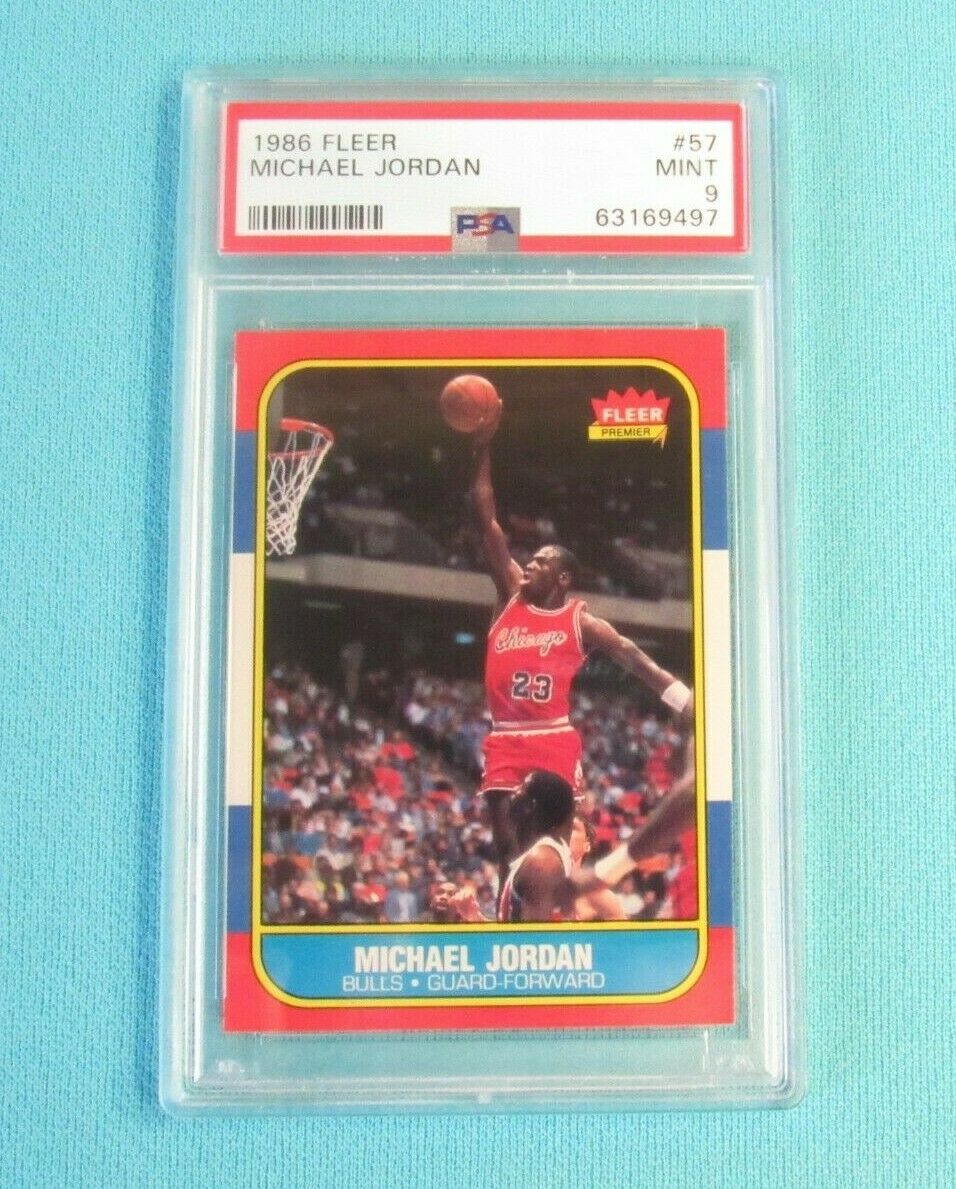
A rare rookie Michael Jordan card listed for around $30,000 on eBay.
For anyone interested in getting started in this hobby, here are a few things I’ve learned as I’ve scratched the surface in recent months:
- Just because a card is rare, that doesn’t mean it’s valuable—it needs to be in mint or near-mint shape for it to capture the demand and premium value that card collectors are looking for.
- Buy early and hold—I’ve invested in lower-value cards right now with the hope that they will gain significant value over time.
- Don’t sell too early—this is a mistake I made years ago. Well before the current boom, I once sold a large collection of Dragon Ball Z cards. At the time, that haul fetched a decent amount of money, but the same cards now are probably worth three to four times the price I received at the time. It would have been best for me to hold longer and sell at a higher rate.
- Try to get hobby boxes directly from the manufacturer, such as Topps, or from a reputable retailer such as Wal-Mart, Target, or Amazon. You need to be fast to do this, though, or have a bot that can quickly go through the site. If you can’t buy directly, then going to eBay or Facebook is a good way to get boxes, but you’ll likely be paying a premium.
- Go after rookie cards, limited editions (1 of 10, 1 of 5, and so on), limited runs, etc.—these are the most valuable because there are limited numbers of them.
- If you’re spending a lot on a card, try to buy it graded—it saves you the hassle of having to grade it yourself, and most of the value comes from cards that have high grades anyway
- I buy a lot of cards on eBay or Facebook, but going to card shows is a good way to find some gems. For example, there is one local collectors club, the Twin Cities Sports Collectors Club, that meets monthly to do shows and that I’m looking to check out soon.
Getting back into card collecting has been fascinating and a good way to spend some pandemic time. I highly recommend diving in, as it can be a fun and self-funding hobby—but come prepared with some seed money as you start your card portfolio.
Follow @TwinCitiesGeeks on Twitter or Like Twin Cities Geek on Facebook for more great stuff from Minnesota geeks in your feed!


