
How Not to Fall in Love Fumbles the Friends-to-Lovers Trope
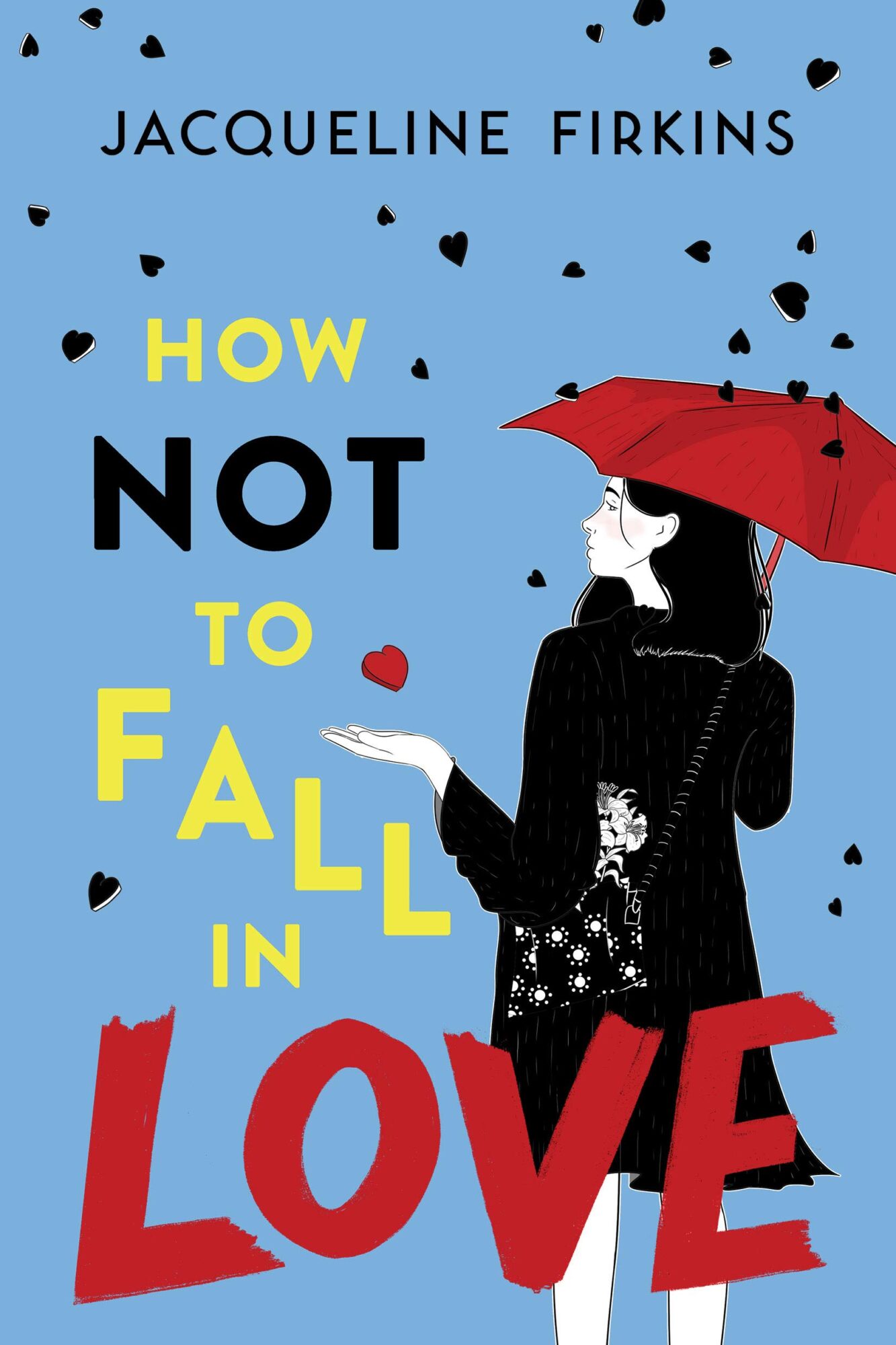
HMH Books for Young Readers
Friends-to-lovers is one of my all-time favorite tropes used in any kind of fiction. An established relationship morphing into something new is a plot I’ll never grow tired of—when it’s done right, at least. There are a few times when I’ll come across a friends-to-lovers story that I don’t enjoy, and that has everything to do with unlikable characters who are difficult to relate to. Jacqueline Firkins’s new YA novel How Not to Fall in Love falls into this category because the story centers around two irritating individuals who supposedly teach each other what love is really about. Upon further reflection, I honestly don’t think this is what ended up happening.
How Not to Fall in Love takes an interesting stance on romantic relationships, showcasing both closed-off abhorrence and obsessive pining to the point where there is no happy middle ground. Harper, the main character, works at her mother’s bridal shop and has an extremely cynical outlook on love, claiming that weddings are more about putting on appearances and pleasing the obnoxious brides-to-be than they are about love. That may be true for reality shows like Bridezillas, but her views immediately put me off because of how little nuance they had. She explains, through too much inner monologuing, that her heart was broken the previous summer and she’s sworn off love altogether, which would be tolerable if she were any good at keeping up that false hubris and didn’t constantly contradict herself. I think this was supposed to be endearing, in order to show that she’s not completely far gone into her cynicism, but she vacillated so much that it made her character inconsistent and, at times, more irritating than the clients she and her mother suffer through.
In contrast, Harper’s best friend and next-door neighbor, Theo, is a hopeless romantic, which in this story is equivalent to extremely obsessive and stalkerish behavior. Theo throws himself into every relationship he’s in, but he comes on too strong and has no luck keeping a girlfriend for more than a few weeks, leaving his heart in pieces as he sadly plays his accordion and whines to Harper about how unfair things are. As thickheaded as Harper is about her own issues, she easily points out just how disturbing Theo’s approach to love is, but it’s more out of pity and sympathy than it is out of concern for how invested he gets in girls he hardly knows. He’s in love with the idea of love and projects that onto others, and he does so in a way that drives girls away from him due to his “eccentric” personality. Harper does offer to assist him in preventing further heartbreak, and he bets that he can show her that love isn’t as horrible as she thinks it is. And so the plot is set in motion … sort of.
This agreement of theirs is paper thin and falls through almost immediately, due to Harper starting to date a boy named Felix and giving more attention to her SAT studies than in coaching Theo to not be a creep. The egregious use of alliterative SAT vocabulary words got old almost immediately, so of course half the alphabet is incorporated to push this allegedly charming quirk the story has going for it. This becomes Harper’s way of flirting with Theo while not actually committing to anything more with him, but it bogs down sentence structure and is a pain to struggle through every time it happens. Continuing with the forced quirkiness is the inclusion of Pippa, Harper’s coworker who wears colorful wigs and bizarre outfits that are reminiscent of Hannah Montana’s Lola Luftnagle. Although she fits the bill for a manic pixie dream girl, she’s surprisingly grounded and funny despite her constant garish clothing choices, and she exists as a friend for Harper rather than a whimsical love interest for one of the male characters.
As the story goes on, Harper begins to notice her growing attraction to Theo, despite her feelings for her boyfriend, Felix. Felix is apparently “too perfect” to be a realistic boyfriend, because going on surprise coffee runs for his girlfriend and being able to seamlessly flow from flirting to joking are suddenly supposed to be traits that are not okay to have. Harper claiming he doesn’t have any flaws doesn’t necessarily mean he doesn’t actually have any, and her muddled feelings get in the way of her really getting to know Felix beyond a surface level attraction on her end. Her poor communication skills are what ultimately make things messy for her love life, and while I understand it’s difficult to talk about a broken heart, it baffled me that she refused to talk about it with anyone. She was showing obvious signs of discomfort, so either those proverbial emotional walls were too strong for anyone to penetrate, or all the other characters were just completely oblivious to her poor acting skills.
I’m not quite sure what the ultimate message of How Not to Fall in Love is. The friends-to-lovers trope is easily lost in a sea of forced quirkiness and Harper’s never-ending woe-is-me train of thought, and it’s never clear if falling in love is supposed to be a good thing or not. Aside from Pippa and Felix, Harper’s mother nearly makes the book worth reading, if only because she offsets Harper’s narrow-minded thoughts about romance with a much more rational mindset. There were a few moments that got a laugh out of me, but that’s not enough to make this a novel I enjoyed. Friends-to-lovers is what usually saves a book from being truly terrible for me, but I’m sorry to say that it’s the reason this one failed.
How Not to Fall in Love hit shelves December 21, 2021.
Follow @TwinCitiesGeeks on Twitter or Like Twin Cities Geek on Facebook for more great stuff from Minnesota geeks in your feed!
About the Author

Hannah Testa
Hannah hails from Edina and is currently buried under a pile of unread books. Her hobbies include Funko POP! collecting, spending hours at a time at the library, and watching terrible Lifetime movies. She’s working on her first YA novel.


