
Is “28 Years Later” Just Another Zombie Flick, or Something More?
Miya Mizuno/Columbia Pictures
We’ve had some great zombie films and shows over the last 25 years. The most recent is The Last of Us, but some others that come to mind are Train to Busan, World War Z, The Walking Dead, Zombieland, Resident Evil, Dawn of the Dead, and Shaun of the Dead.
Also included in that list is 2002’s 28 Days Later. This film really stood out because of its use of inexpensive digital cameras, which gave it a documentary or found-footage aesthetic. The sequel, 28 Weeks Later, was released in 2007. Fast-forward to 2025, and director Danny Boyle (Trainspotting, Slumdog Millionaire, 127 Hours) and writer Alex Garland (Civil War, Annihilation, Ex Machina) reunited to create the third installment, 28 Years Later.
Nowadays, it’s pretty difficult to make a film that stands out from the crowd, especially when it comes to zombie flicks. So I will always praise filmmakers who are making unique and interesting choices in their films, even if those choices are a little weird at times. I think that’s really the best way to describe 28 Years Later—unique, interesting, and a little weird.
Miya Mizuno/Columbia Pictures
Note that you do not need to watch or rewatch either of the proceeding films in this series to understand what’s happening. If you do wish to, just know that there is a very small amount of context that would be provided by doing so.
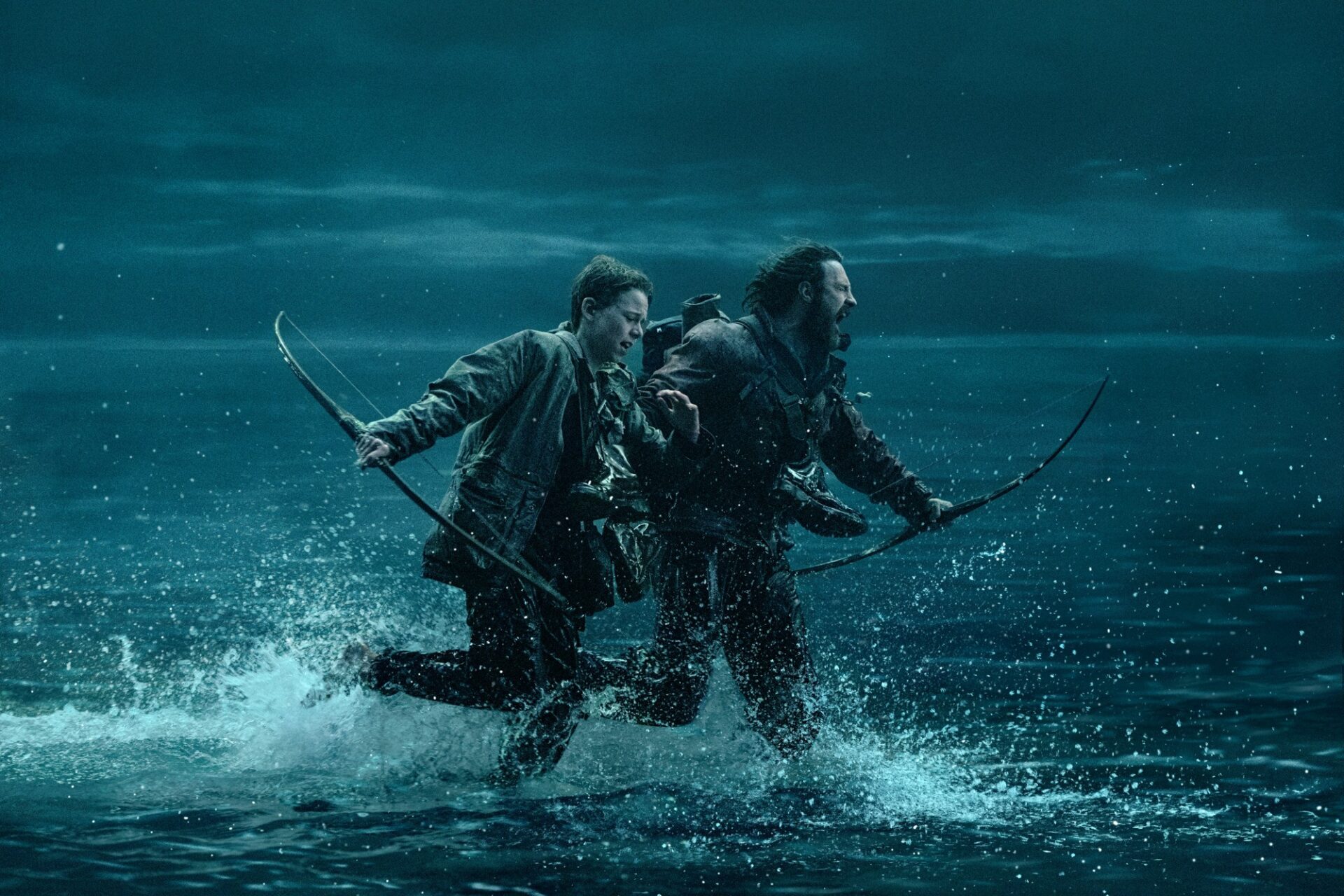
The uniqueness of this film can largely be attributed to Danny Boyle’s unabashed filmmaking style. He has upgraded from cheap digital cameras to iPhones and bullet-time rigs, similar to the technology first used in The Matrix. He still incorporates a lot of shaky-cam techniques and bold, disjointed editing sequences. These choices ultimately lead to a gritty and unpolished feeling, similar to its predecessor. I appreciate that he’s doing things very differently from most filmmakers, but truthfully, this style was very distracting. Often the camera movements felt jarring and unnatural, and thought I admit that did add to the anxiety of this film, it really took me out of the moment and reminded me that there was a person behind a camera for each shot.
Miya Mizuno/Columbia Pictures
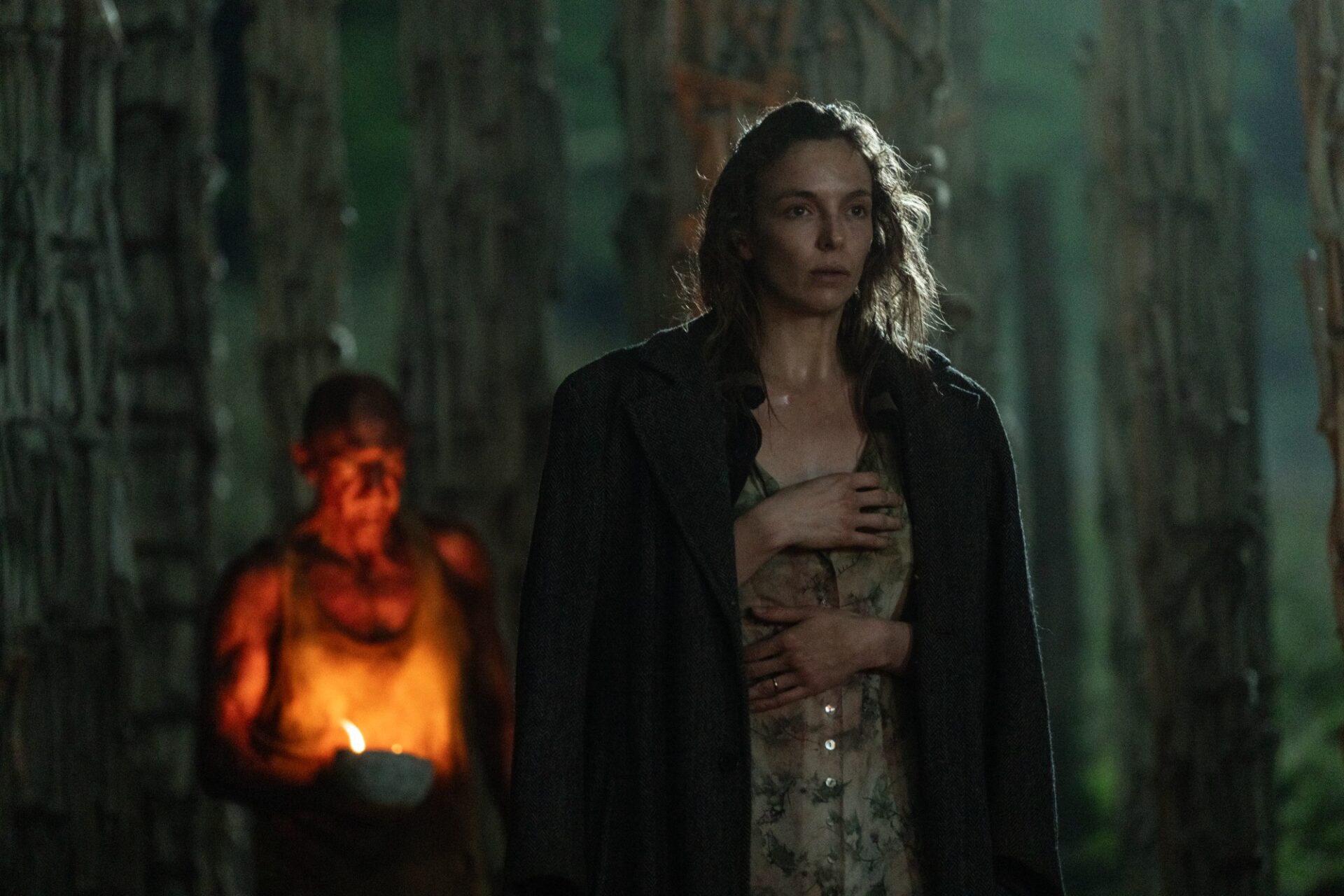
The second reason 28 Years Later stood out is Alex Garland’s writing. I’ve become a huge fan of Garland over the last decade and have seen that, like Boyle, he’s not afraid to do things differently. This is what makes their partnership a perfect match. The world that Garland creates in 28 Years Later feels both realistic and fantastical, and the relationship between our main character, Spike, and his dad is complex and leads to some good tension throughout his journey. I was engaged completely throughout the entire film, wondering what would be revealed around each corner. I would also like to praise the film for evoking some strong emotions in the latter half of the story with Spike and his mother.
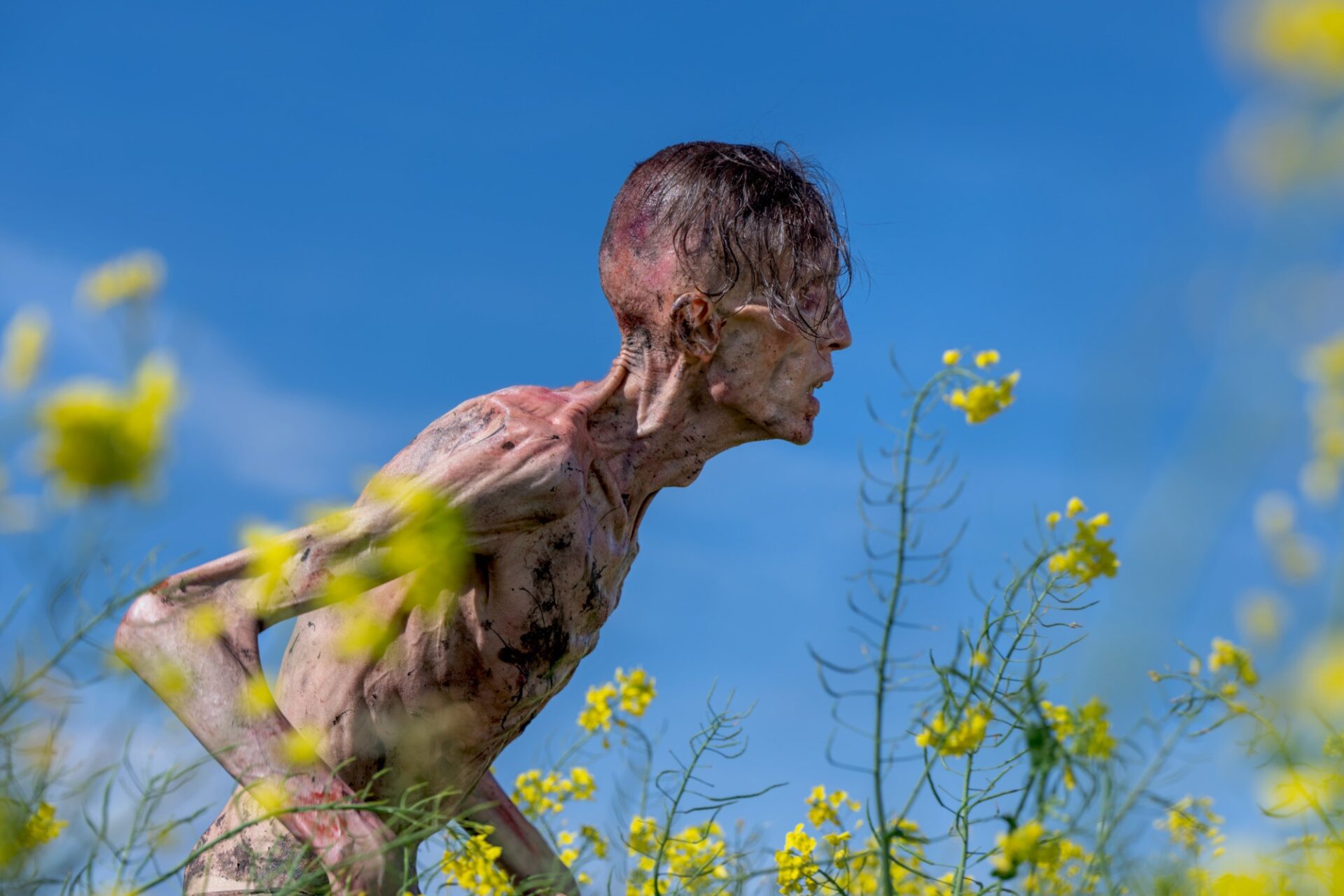
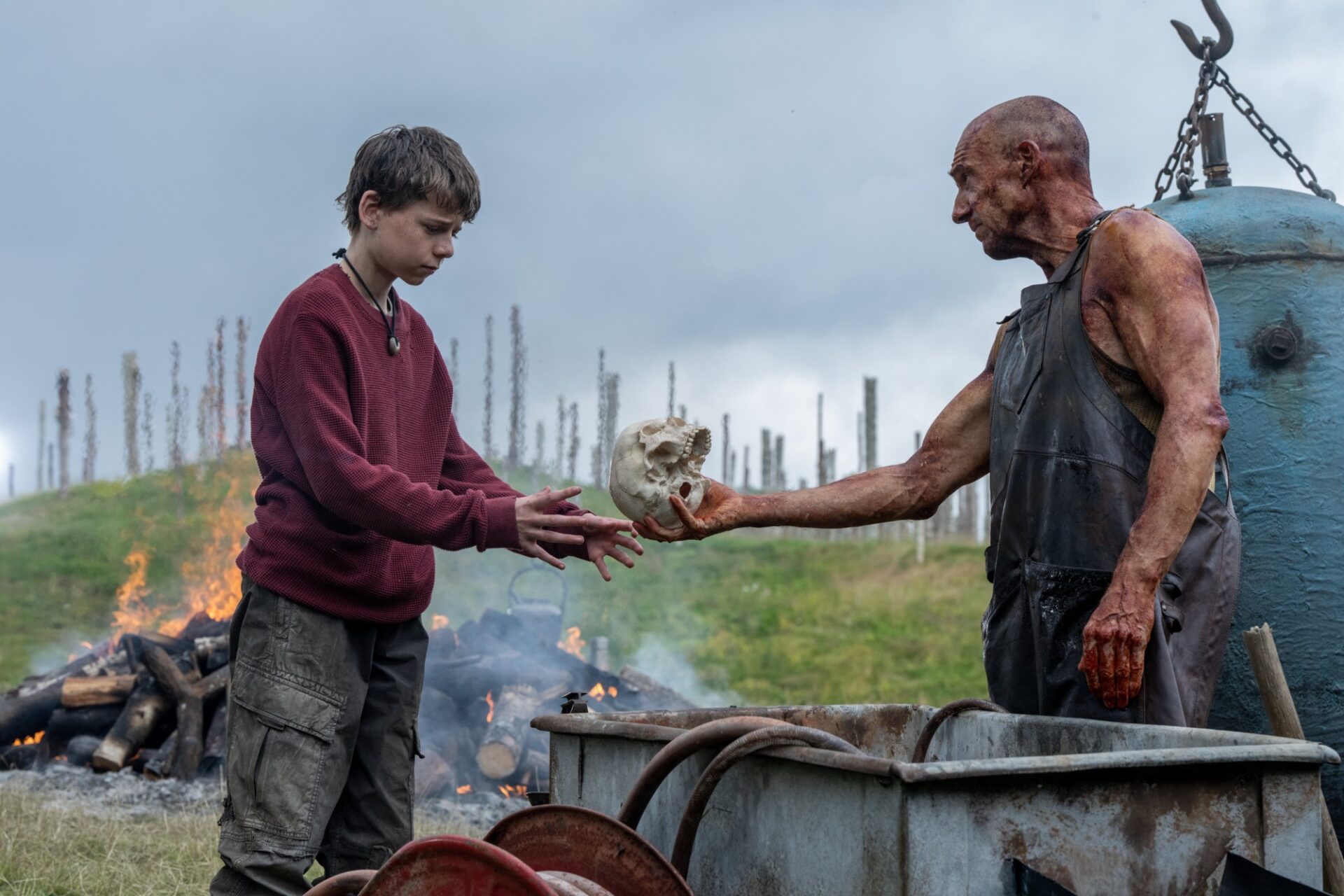
This film is also very grotesque and anxiety inducing, which is exactly what you want from a zombie movie. The completely nude infected people mixed with Boyle’s chaotic camera movements creates some very creepy and suspenseful moments. The blood and gore definitely amplified the intensity for my watching experience.
Miya Mizuno/Columbia Pictures
All in all, 28 Years Later had a strong impact on me, and it felt fresh in a genre that has been done to death (pun intended). I would definitely recommend this film to anyone who is interested in seeing a unique take on this horror subgenre and anyone looking for film that gets a little weird from time to time.
Follow @TwinCitiesGeeks on Twitter or Like Twin Cities Geek on Facebook for more great stuff from Minnesota geeks in your feed!
About the Author

Adam Lusch
Adam is a documentary filmmaker from Minneapolis who has experience writing screenplays and comics. He’s a huge film buff and loves all things nerdy, including Dungeons & Dragons, Lord of the Rings, books, comics, and board games. Follow him at Letterboxd.com/alusch14 for more movie reviews, ratings, and lists.


